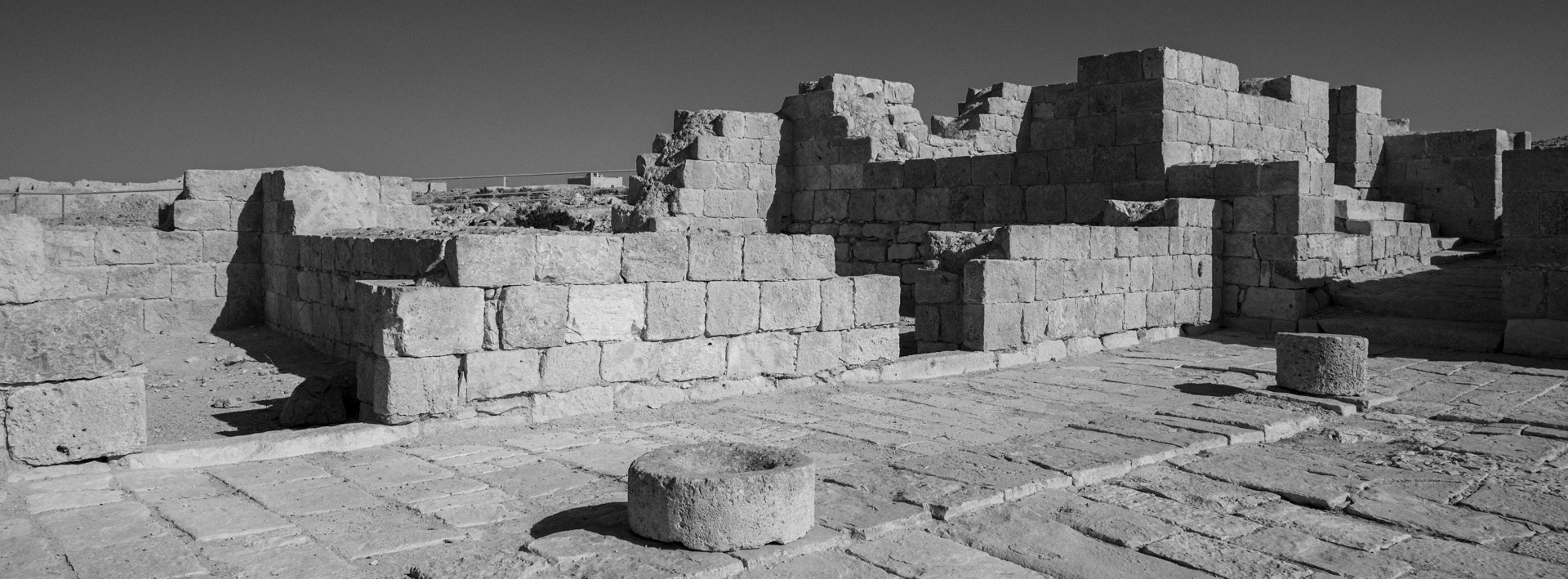
Aretas IV: The Nabataean King Who Shaped a Kingdom

Aretas IV Philopatris ruled the Nabataean Kingdom from 9 BCE to 40 CE, overseeing a period of immense prosperity. He expanded trade networks, fortified Petra’s influence, and engaged in regional politics. His daughter’s marriage to Herod Antipas sparked a conflict recorded by Josephus. His architectural legacy remains visible in Petra’s grand structures, preserving his impact on history.

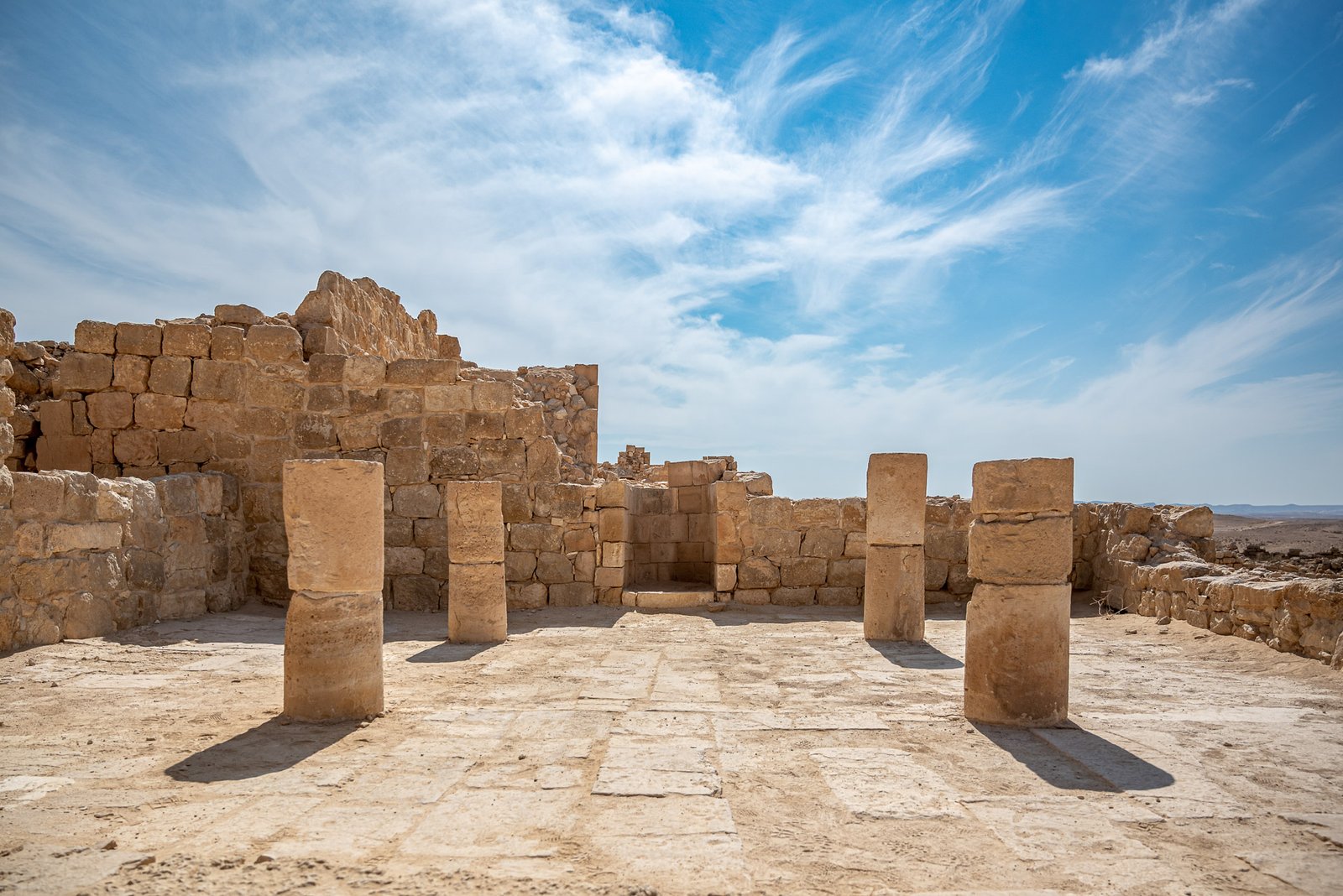
The Mishnah: An Introduction to Rabbinic Literature

The Mishnah, compiled by Rabbi Judah ha-Nasi around 200 CE, is vital for understanding ancient Palestine. It captures the legal and cultural practices of Second Temple Judaism, revealing daily life, societal norms, and governance. This article offers a concise overview of the Mishnah’s significance, making it essential reading for anyone interested in historical insights into ancient Judean society in Palestine.

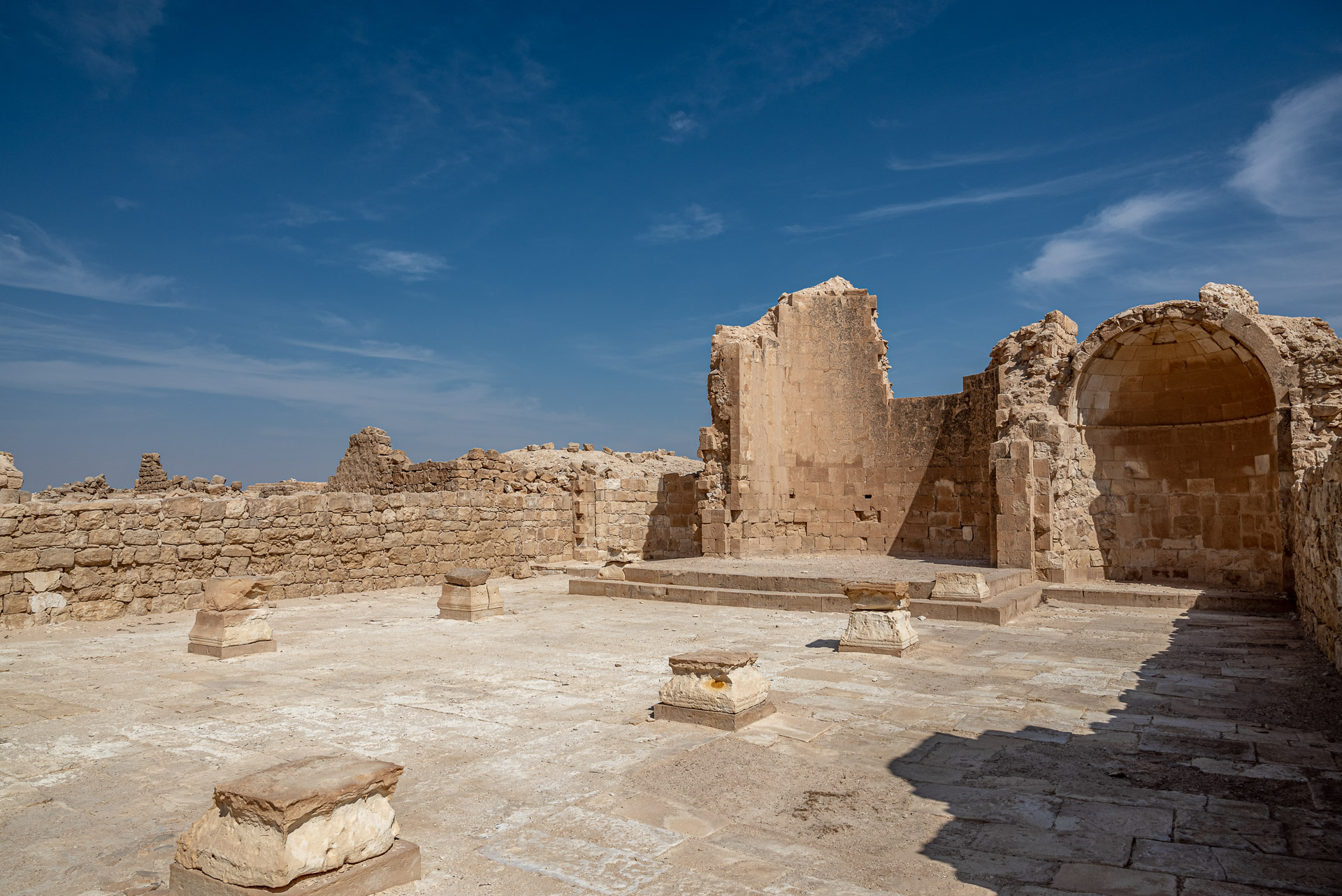
Administrative Areas and Cities in Byzantine Palestine

Exploring “Administrative Areas and Cities in Byzantine Palestine” unveils a fascinating tapestry of governance and urban life from the 4th to 7th centuries. This period witnessed a mosaic of Byzantine provinces, cities like Jerusalem and Caesarea, and their roles in commerce, religion, and governance, offering insights into Byzantine administration and its enduring impact on the region’s history and culture.

A Reflection on Early Byzantine History

In delving into “A Reflection on Early Byzantine History,” we explore the pivotal era from the 4th to 7th centuries. This period marked profound religious, cultural, and political shifts, from the reign of Constantine the Great to Justinian’s reconquests and the rise of Islam, profoundly shaping Europe, Asia Minor, and North Africa. Understanding this epoch illuminates enduring legacies in art, law, and governance that resonate today.