A Consideration of Rulers and their Direct and Indirect Impact on Palestine
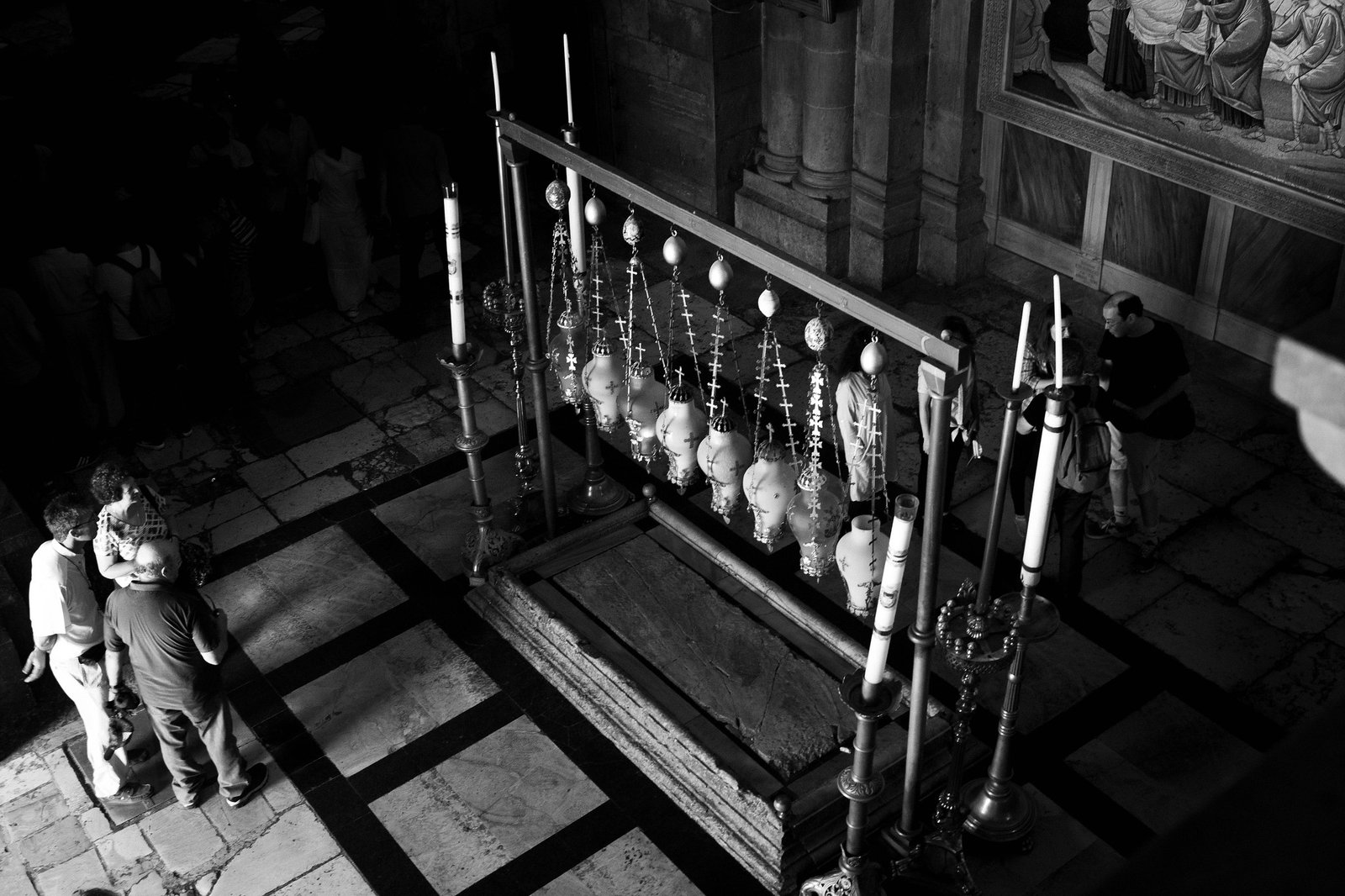
A view of a group of tourists looking at the Stone of Anointing in the Church of the Holy Sepulchre.

Examining the direct and indirect influence of rulers on Palestine illuminates critical aspects of its history. This blog post talks a little about the nuanced impacts of leadership, shedding light on how political decisions shaped the region’s social, cultural, and economic landscapes over time.
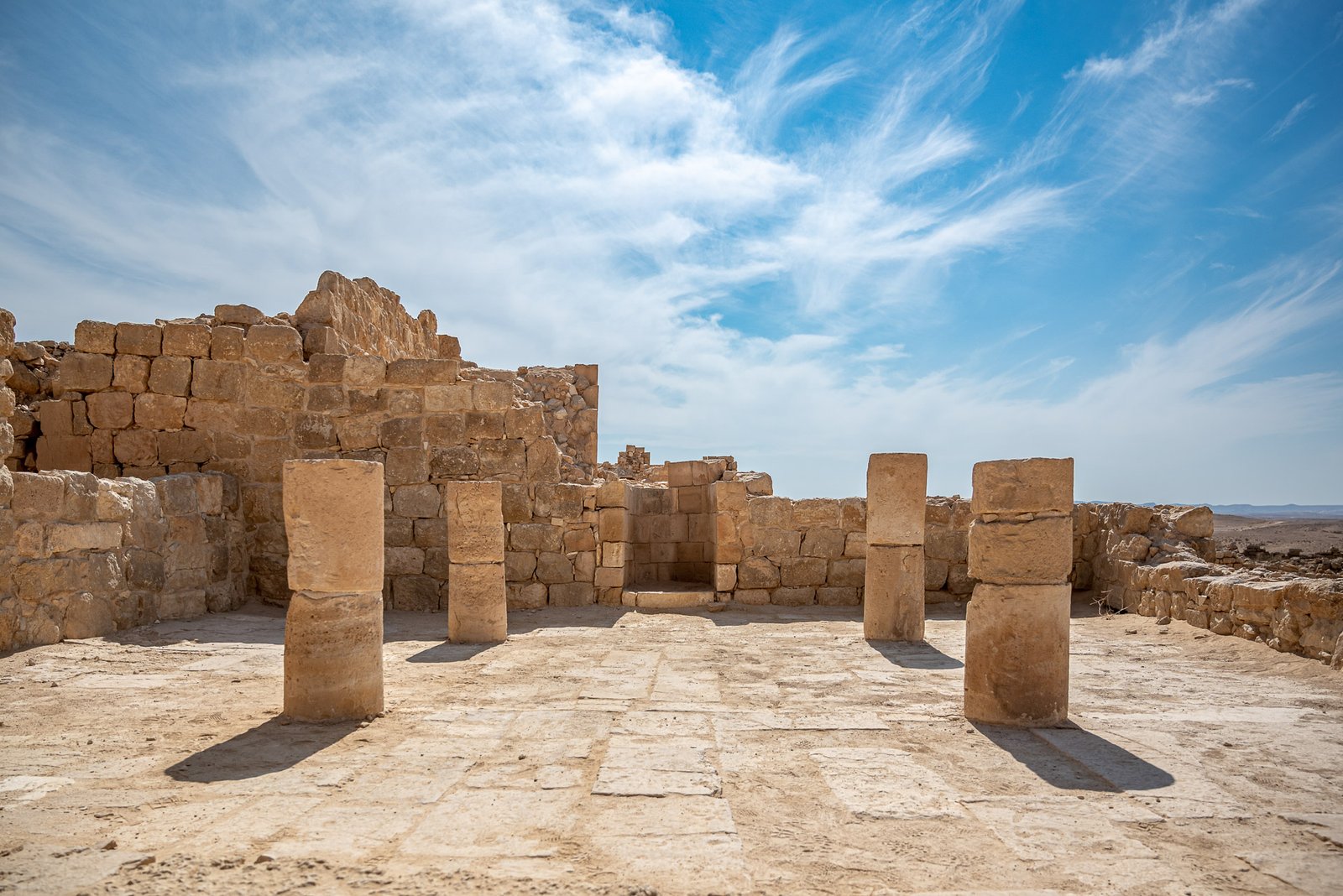
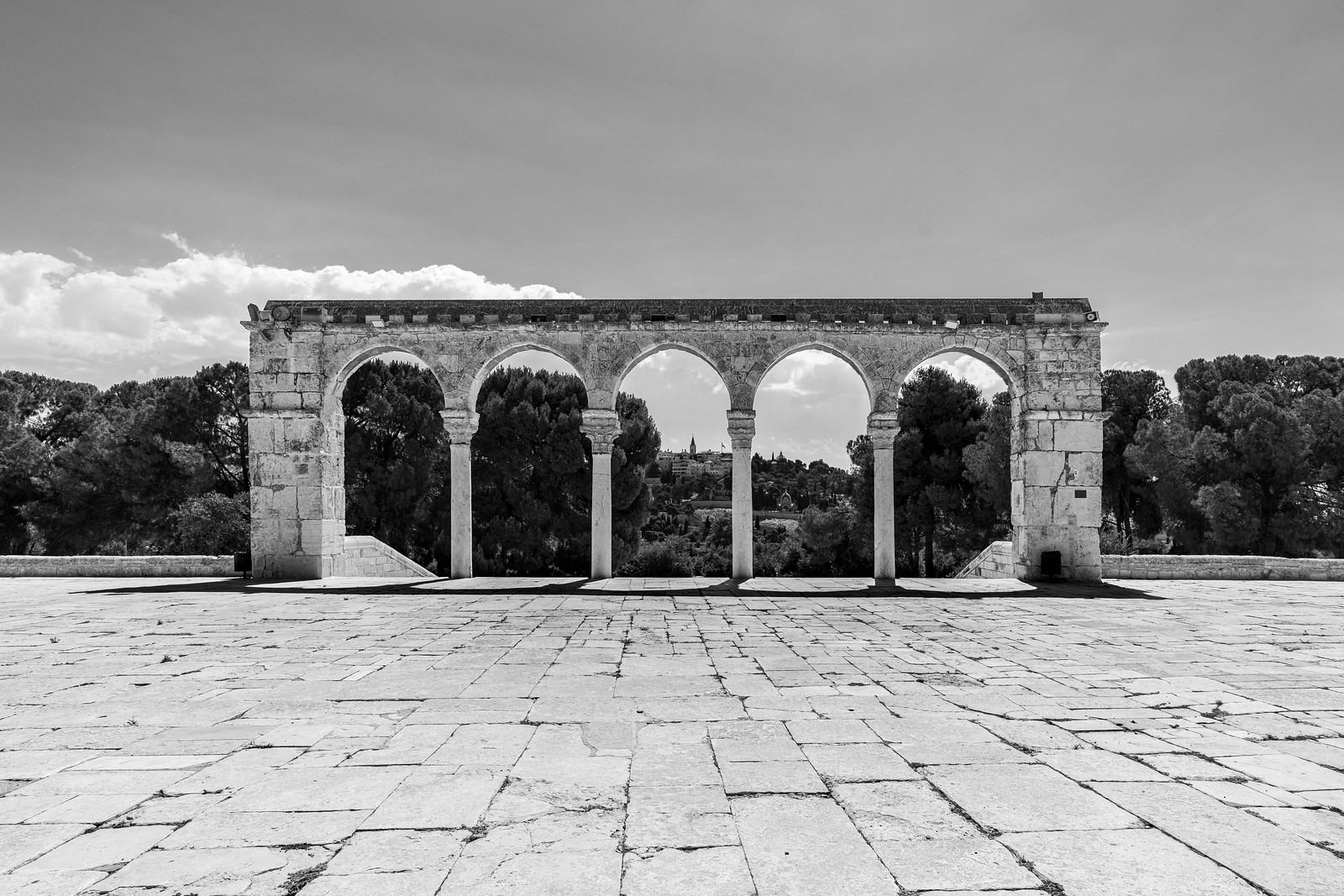
Al-Mawazin: The Scales of Haram al-Sharif

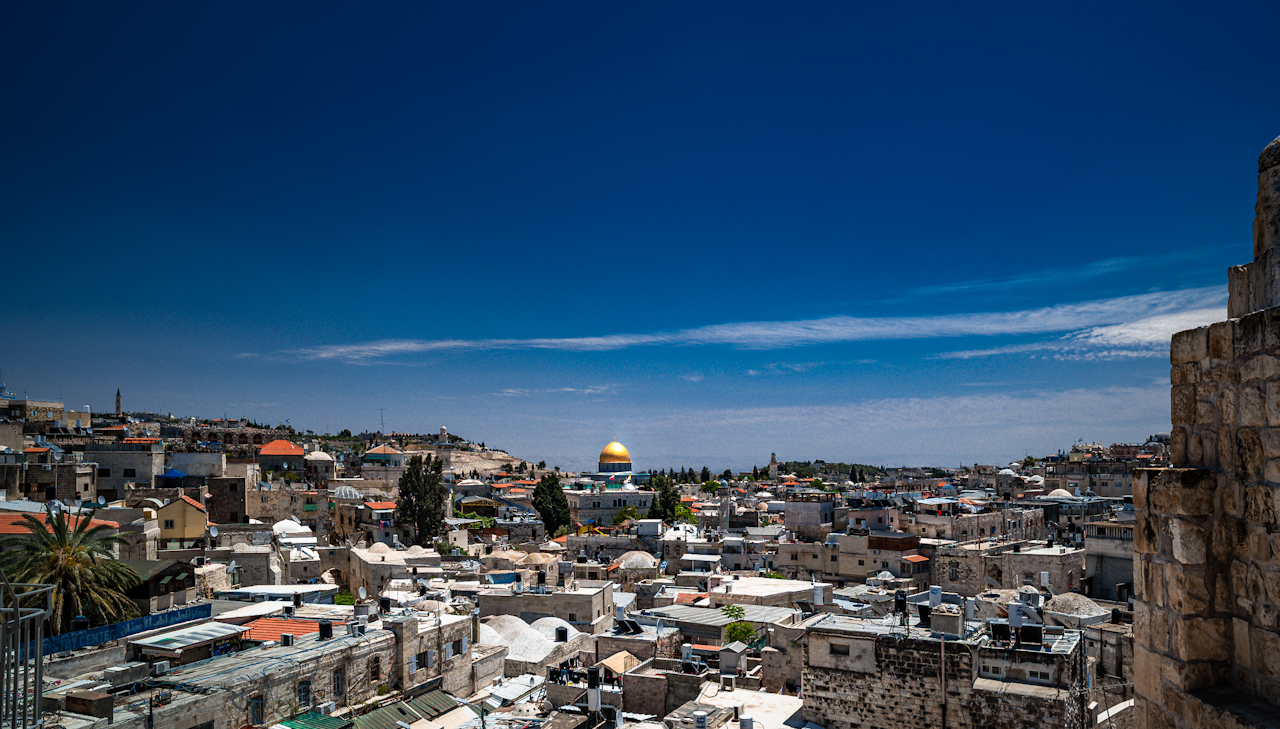
Discover the majestic arch entrances to the Dome of the Rock Plateau in Haram al-Sharif. These iconic structures symbolize the architectural brilliance and spiritual significance of Jerusalem’s holiest site in Islam, reflecting centuries of cultural exchange and religious devotion. Delve into their design, history, and enduring impact on Islamic art and architecture in this exploration of sacred spaces.

Administrative Areas and Cities in Byzantine Palestine

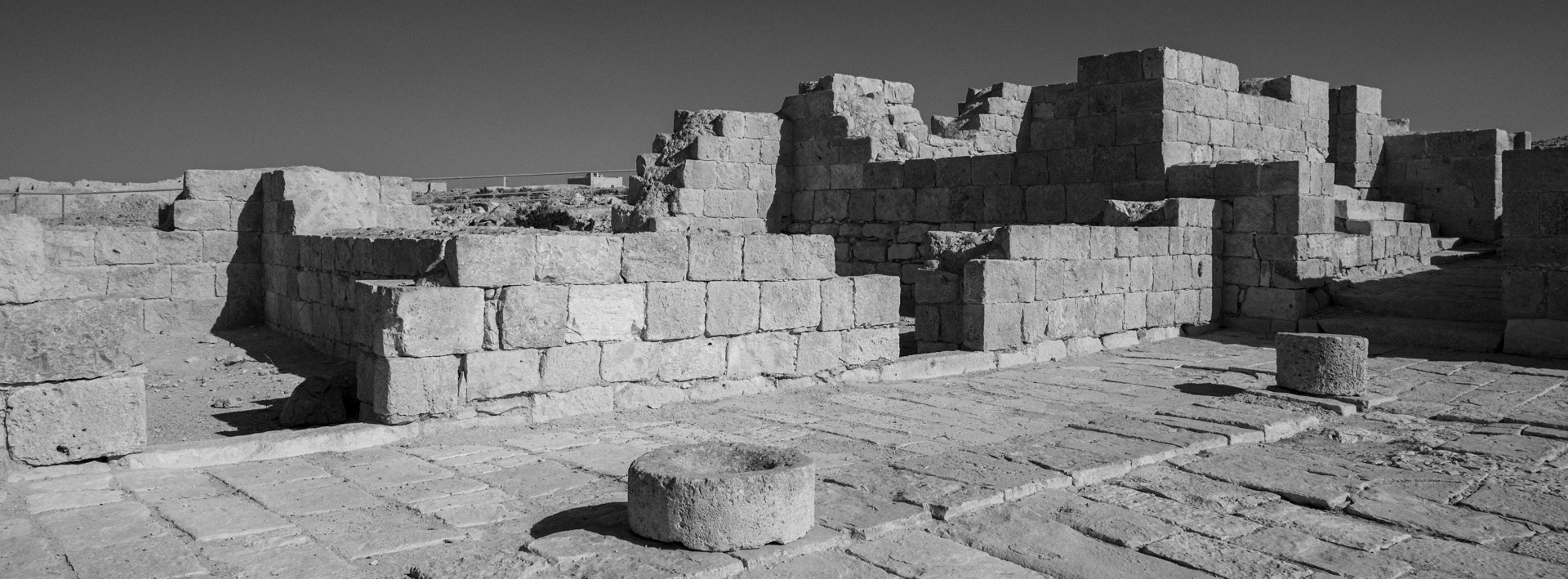
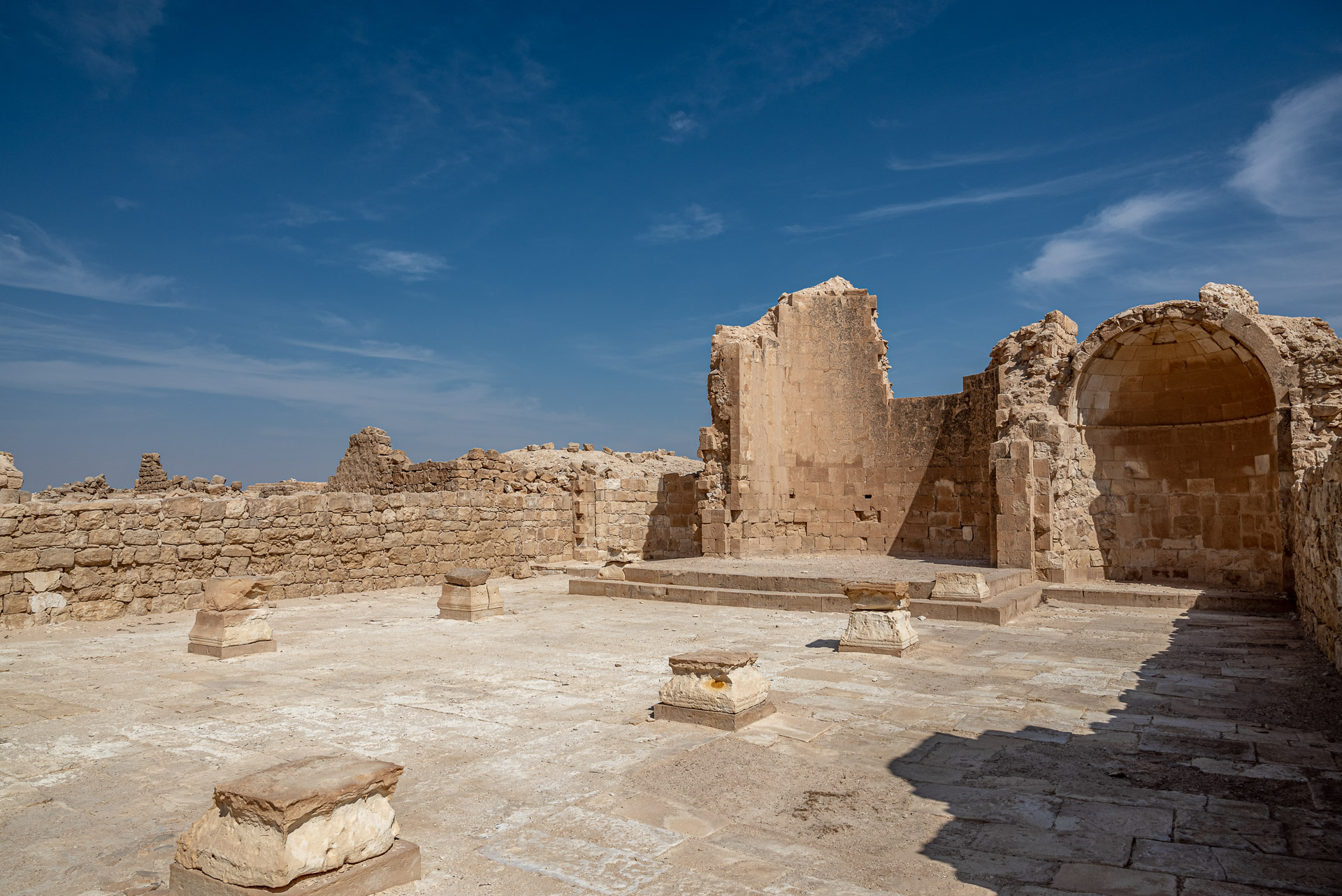
Exploring “Administrative Areas and Cities in Byzantine Palestine” unveils a fascinating tapestry of governance and urban life from the 4th to 7th centuries. This period witnessed a mosaic of Byzantine provinces, cities like Jerusalem and Caesarea, and their roles in commerce, religion, and governance, offering insights into Byzantine administration and its enduring impact on the region’s history and culture.

A Reflection on Early Byzantine History

In delving into “A Reflection on Early Byzantine History,” we explore the pivotal era from the 4th to 7th centuries. This period marked profound religious, cultural, and political shifts, from the reign of Constantine the Great to Justinian’s reconquests and the rise of Islam, profoundly shaping Europe, Asia Minor, and North Africa. Understanding this epoch illuminates enduring legacies in art, law, and governance that resonate today.

Why “Palestine”

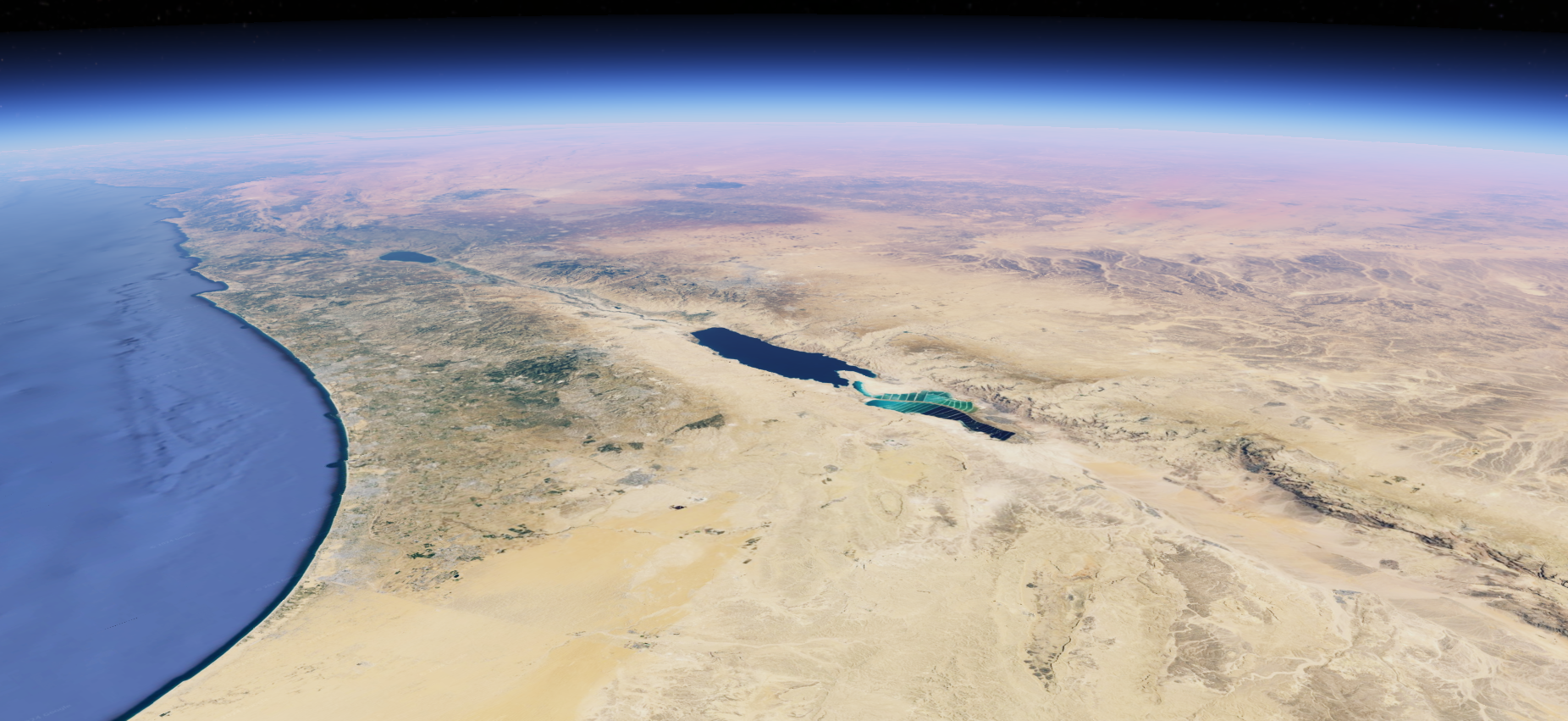
The name “Palestine” holds a rich historical legacy spanning millennia. Originating from the ancient Philistines, it evolved through Roman, Byzantine, Islamic, and Ottoman eras, shaping its cultural and political identity into the complex narrative we encounter today.